







Global Humanitarian Aid Faces Unprecedented Funding Collapse in 2025
Humanitarian funding is projected to drop sharply in 2025, widening the gap between urgent global needs and available resources, according to IECAH and MSF.

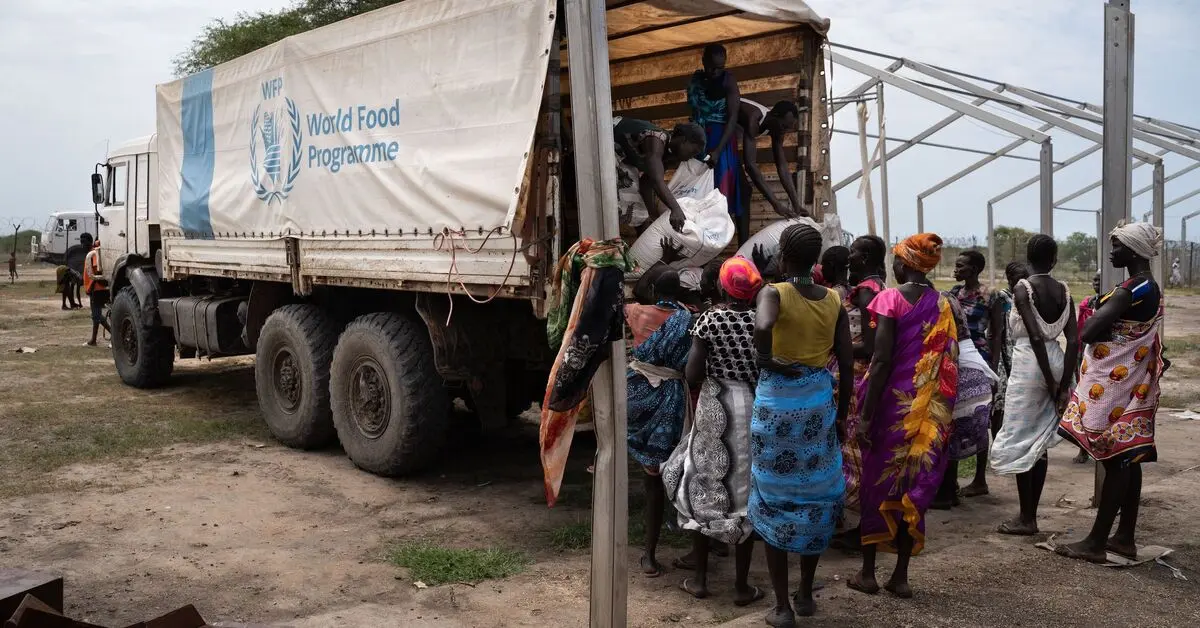
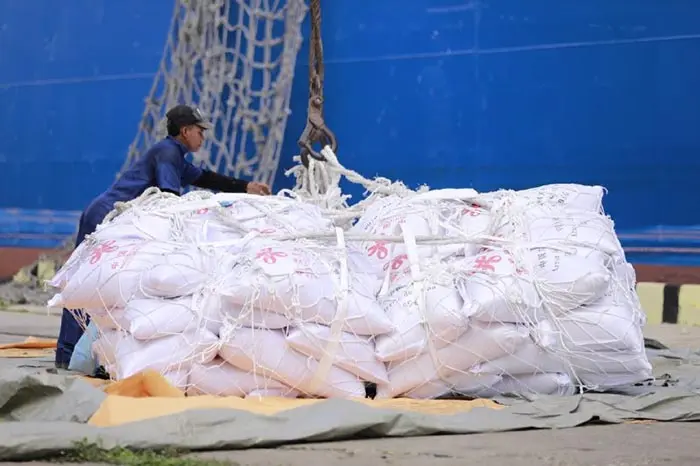
Aid workers distribute emergency supplies in a region affected by conflict, highlighting the growing gap between humanitarian needs and available funding. Photo: @MSF_Espana
December 3, 2025 Hour: 6:50 am
🔗 Comparte este artículo
The global humanitarian system is heading into 2025 with the largest funding shortfall in its history, with resources potentially shrinking by up to a third compared to 2024, according to a new report by the Institute for Conflict Studies and Humanitarian Action (IECAH) and Médecins Sans Frontières (MSF).
RELATED:
On Solidarity Day, UN Warns Gaza Is Facing “Unprecedented Humanitarian Collapse”
The annual report, presented on Wednesday in Madrid, highlights a continuation of the downward funding trend that began in 2024. Last year, the humanitarian system faced nearly $5 billion less than the $45.7 billion raised in 2023, marking a 10 percent decline—the largest decrease recorded at the time.
Looking ahead, the report warns that the gap between humanitarian needs and available resources is likely to widen further. “The figures indicate that the trend will continue in 2025, further widening the gap between growing needs and available resources, especially in protracted crisis contexts,” the report states. Funding could fall by as much as 34 percent compared to 2024 and 45 percent relative to 2023.
Humanitarian organizations are likely to face heightened challenges in delivering aid to conflict zones, regions affected by natural disasters, and areas experiencing chronic vulnerabilities. The projected shortfall threatens to strain already overburdened systems, limiting the capacity to respond effectively to escalating crises.
As demand for humanitarian assistance continues to rise, the report underscores the urgent need for sustainable funding strategies to support vulnerable populations globally. Without intervention, the shrinking financial resources may significantly undermine international relief efforts.
Author: MK
Source: EFE